Best Practices for Catering Large-Scale Events When You’re Understaffed
Large-scale events come with high expectations, tight timelines, and little room for error. When you’re understaffed, those pressures multiply quickly. Convention centers, in-house catering teams, and preferred vendors often face this exact challenge, especially during peak seasons or overlapping bookings.
The key is not just working harder but working smarter. With the right systems, preparation, and strategic partnerships, you can deliver a seamless experience without overextending your team.
Understand the Scope Before You Commit
One of the most common mistakes in large-scale catering is underestimating the workload. When staffing is limited, clarity upfront is essential.
Before finalizing any event, evaluate:
- Guest count and service style (buffet, plated, stations)
- Menu complexity and preparation requirements
- Venue layout and distance between kitchen and service areas
- Setup and breakdown expectations
- Additional elements like décor, rentals, and coordination
If the event includes visual elements such as balloon installations or themed décor, factor in the coordination time. While your team may not handle décor directly, aligning timelines with vendors like balloon designers ensures smoother execution.
Simplify the Menu Without Sacrificing Quality
A streamlined menu can significantly reduce strain on your team while still delivering a high-end experience.
Focus on:
- Dishes that can be prepped in advance
- Ingredients that overlap across multiple menu items
- Limited customization options
- Efficient plating or self-serve formats
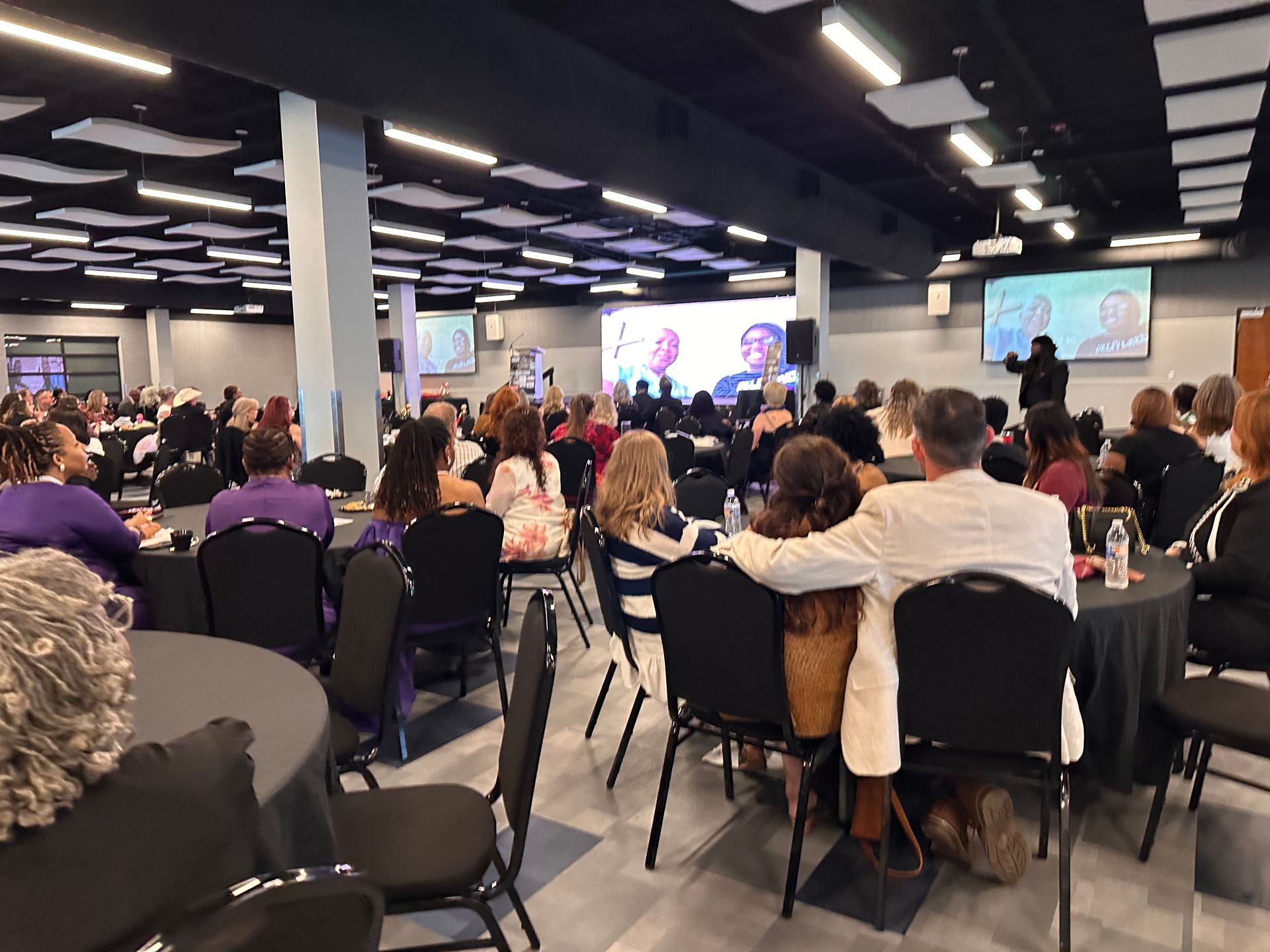
For large convention-style events, buffet stations or action stations can reduce the need for extensive waitstaff while maintaining engagement.
Pairing catering with visual impact also helps shift focus from complexity to experience. For example, incorporating branded balloon décor or statement installations can elevate the perceived value of the event without adding pressure to the kitchen.
Optimize Staffing Through Strategic Roles
When you don’t have enough people, assigning the right roles becomes critical.
Instead of spreading your team thin, define clear responsibilities:
- Lead coordinator to manage timing and communication
- Kitchen lead focused solely on food execution
- Service lead overseeing front-of-house flow
- Floaters who can step in where needed
Avoid having team members multitask across too many areas. Efficiency improves when each person owns a specific function.
You can also consider:
- Temporary staffing for service-only roles
- Cross-training team members ahead of time
- Partnering with trusted vendors for non-food responsibilities
Leverage Vendor Partnerships
Understaffed catering teams benefit greatly from strong vendor relationships. This is especially important in convention centers where multiple vendors are involved.
Work with:
- Rental companies for setup support
- Event planners for coordination and timelines
- Décor specialists, including balloon installation teams, to handle visual elements
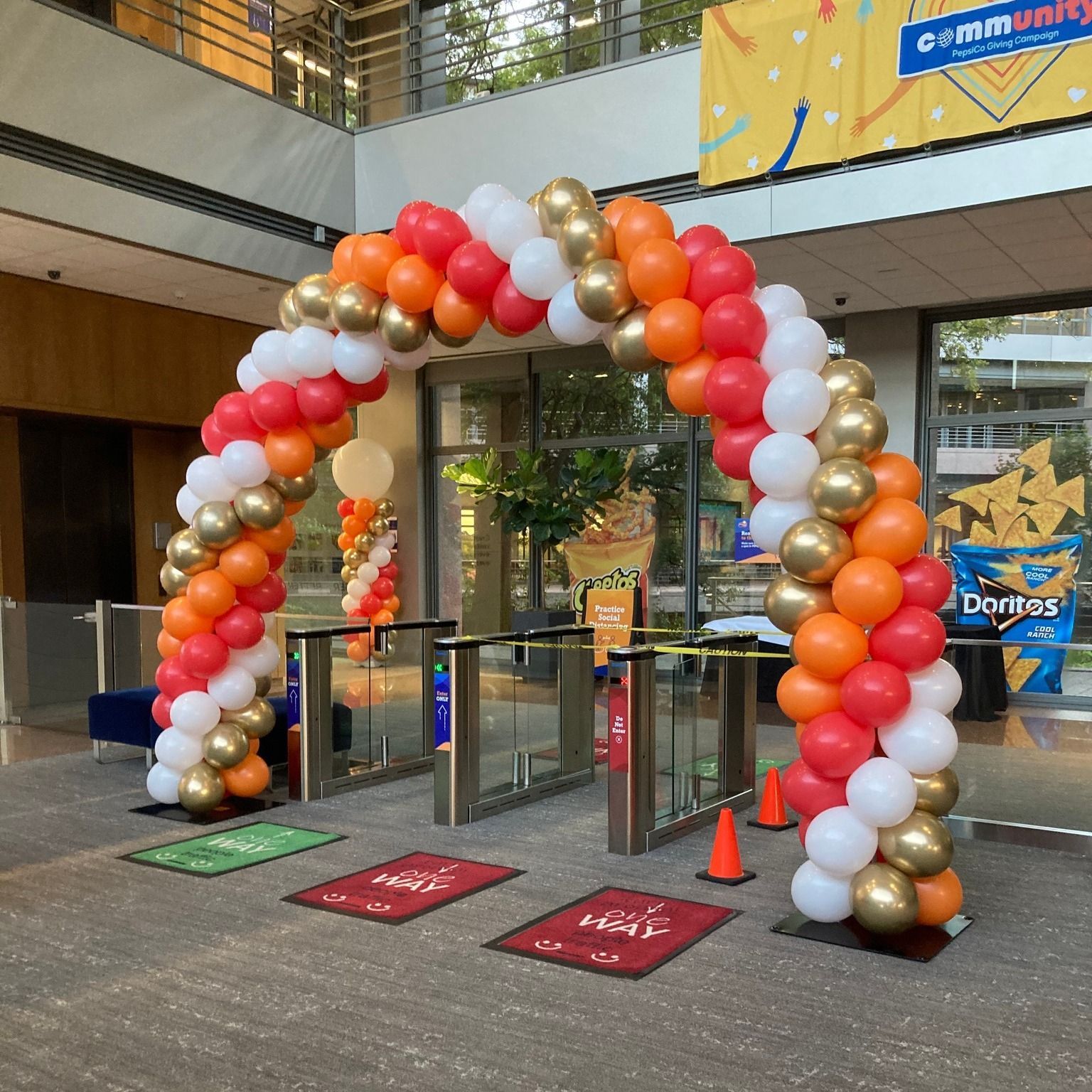
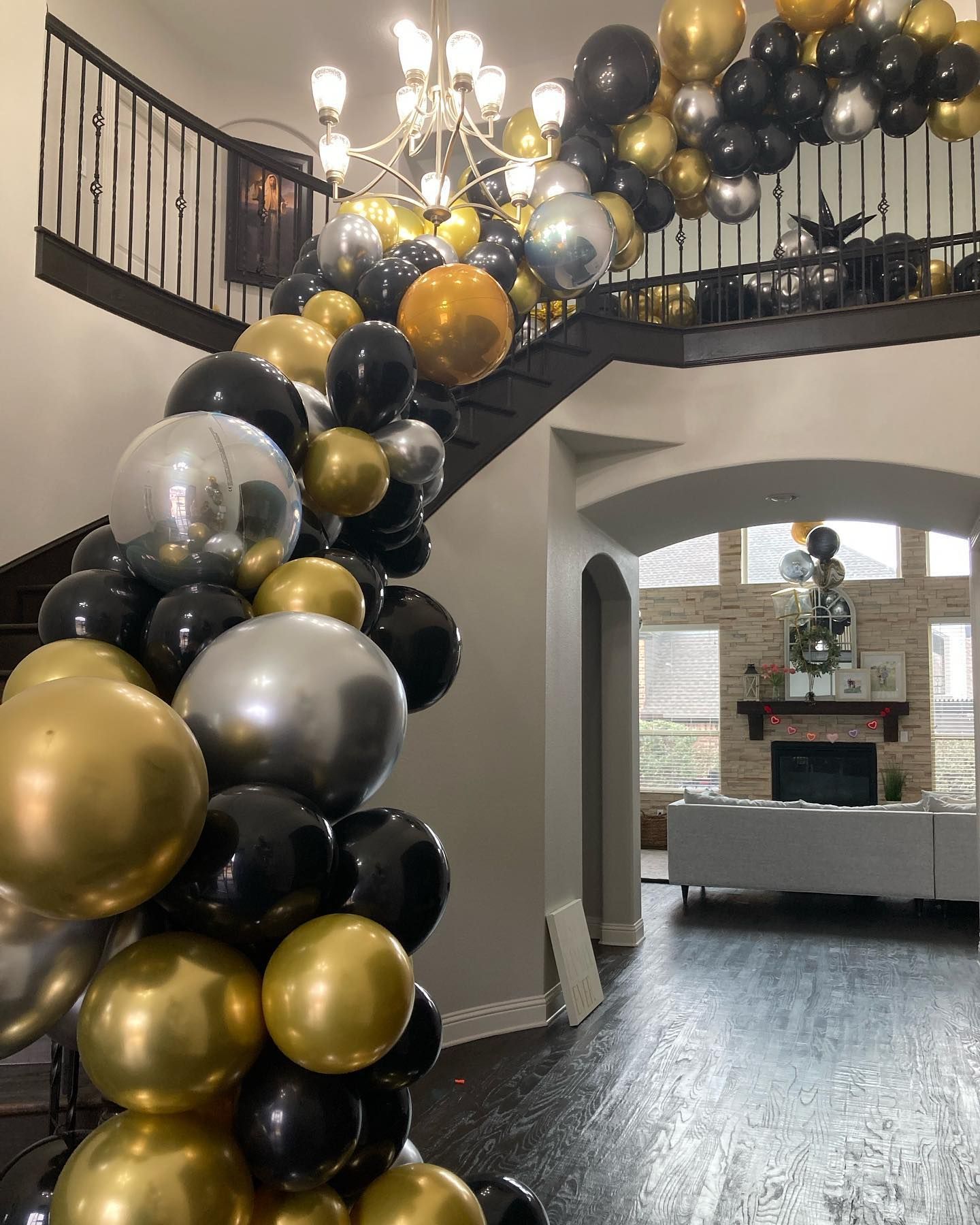
Balloon décor companies can take on a significant portion of the event atmosphere, reducing the need for your team to manage aesthetics. Large-scale balloon installations, branded arches, or ceiling designs can transform a space quickly and efficiently.
This allows your catering team to stay focused on food and service, where your expertise matters most.
Pre-Event Preparation Is Everything
Preparation is your biggest advantage when staffing is limited.
Create a detailed plan that includes:
- Production schedules for food prep
- Packing lists for equipment and supplies
- Clear timelines for load-in, service, and breakdown
- Vendor coordination schedules
Whenever possible:
- Prep ingredients and components in advance
- Use batch cooking methods
- Pre-plate or pre-package items where appropriate
The more you can complete before event day, the less pressure your team will feel during service.
Use Smart Service Strategies
The way you serve food can either strain your team or support efficiency.
Consider service models that reduce labor:
- Buffet service instead of plated meals
- Self-serve beverage stations
- Limited service windows instead of continuous service
- Grab-and-go options for large crowds
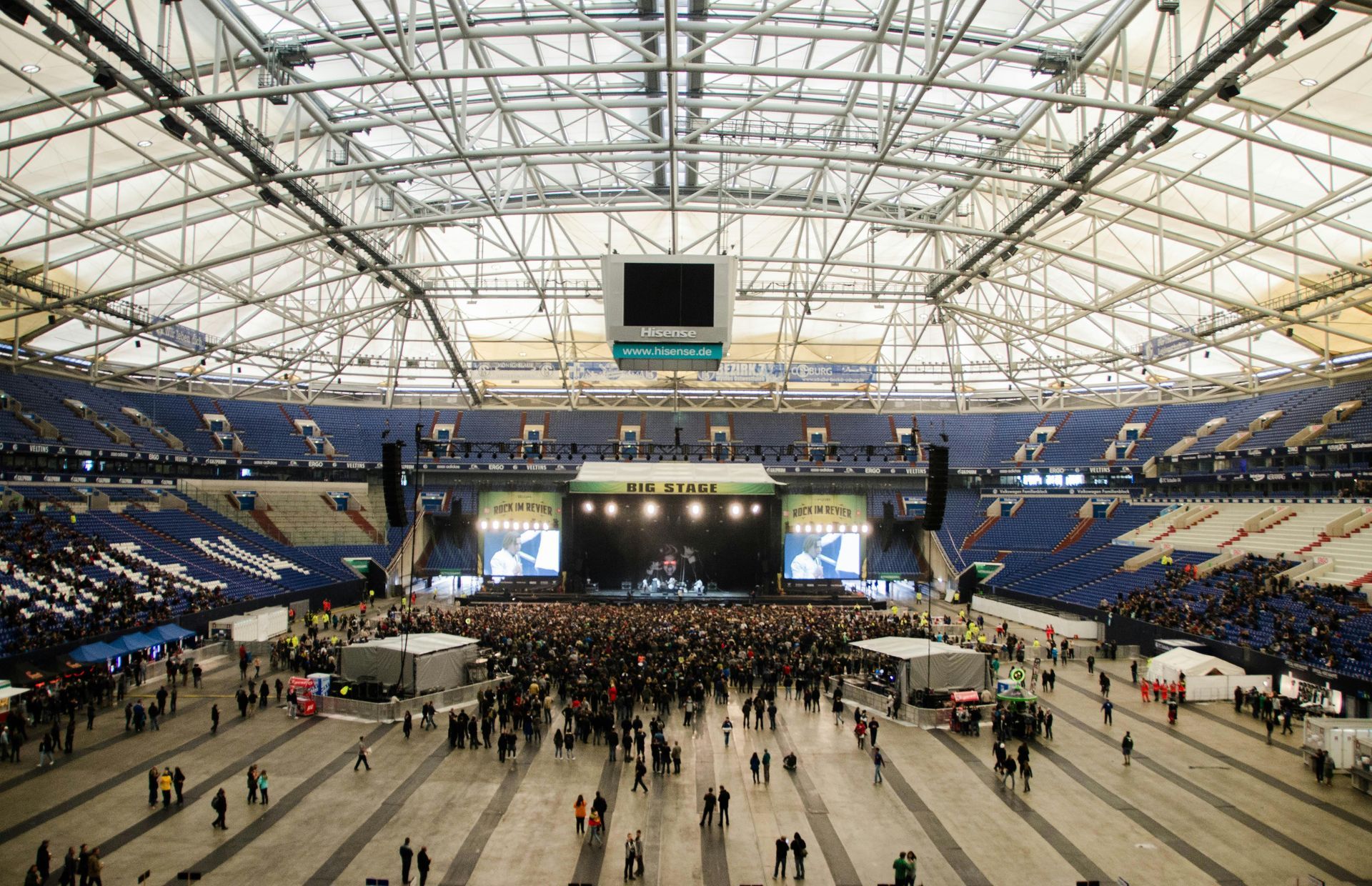
For convention centers, staggered service times can help manage flow and reduce bottlenecks.
You can also design the event layout to support efficiency. For example, placing food stations near high-traffic areas and using décor elements like balloon displays to guide guest movement.
Incorporate Visual Impact to Reduce Operational Pressure
When resources are limited, enhancing the visual experience can help balance expectations.
Large-scale balloon décor is an effective way to:
- Fill large spaces without extensive setup time
- Reinforce branding for corporate events
- Create focal points that draw attention away from service limitations
- Improve guest perception of the overall event
This is especially valuable in
convention centers, where scale matters. A well-designed balloon installation can make an event feel more polished and complete, even with a simplified catering approach.
Need Help Elevating Your Event Experience?
If you’re managing a large-scale event with limited staff, partnering with the right décor team can make a measurable difference. Professionally designed balloon installations can transform your venue, support event flow, and enhance guest perception without adding strain to your catering team.
Explore how custom balloon décor can complement your next event and simplify your workload.
Communication Keeps Everything Moving
Clear communication is essential when your team is stretched thin.
Before the event:
- Hold a detailed team briefing
- Review timelines, roles, and expectations
- Confirm vendor coordination points
During the event:
- Use a single point of contact for decision-making
- Keep communication concise and direct
- Address issues quickly to prevent escalation
After the event:
- Conduct a quick debrief
- Identify what worked and what needs improvement
Know When to Set Boundaries
Not every opportunity is worth the strain on your team. If an event exceeds your capacity, it’s better to adjust expectations or decline than risk poor execution.
You can:
- Limit menu options
- Adjust service style
- Recommend additional vendors
- Set clear boundaries with clients upfront
Clients appreciate transparency, especially when it leads to a better overall experience.
Key Takeaways for Catering Large Events When Understaffed
Catering large-scale events while understaffed is a challenge, but it’s manageable with the right approach. By simplifying operations, leveraging partnerships, and focusing on efficiency, you can deliver high-quality service without overwhelming your team.
Incorporating strong visual elements like balloon décor not only enhances the event but also helps offset operational limitations, creating a more balanced and successful outcome.
Ready to Enhance Your Next Event?
If you’re planning a large-scale event and need a way to elevate the space without adding complexity, professional balloon décor offers a practical solution. From branded installations to large-scale designs, the right partner can help you create a memorable experience while keeping your catering operations streamlined.
Catering FAQs for Large-Scale Events
What is the rule of thumb for catering?
A common rule of thumb is to plan for 1 pound of food per guest for a full meal and slightly less for lighter events. It’s also important to account for service style, event duration, and guest demographics when estimating quantities
How to cater for a large crowd?
To cater for a large crowd:
- Simplify the menu to reduce preparation time
- Choose service styles like buffets or stations
- Prep as much as possible in advance
- Assign clear roles to your team
- Coordinate closely with vendors and venue staff
Efficiency and organization are key to managing large guest counts successfully
How much should I charge to cater 50 people?
Pricing varies based on menu complexity, service style, and location, but a general range is:
- $15–$30 per person for basic catering
- $30–$75 per person for mid-range events
- $75+ per person for premium or full-service catering
Be sure to factor in labor, rentals, transportation, and overhead costs when setting your pricing